Beginner's Guide to Surfing in Cold British Water
Beginner's Guide to Surfing in Cold British Water
British sea temperatures rarely match the pictures. In late winter, most of the coastline sits somewhere between 6°C and 10°C, and even a good late summer in the south-west tops out around 16°C. That is surfable water with the right kit and punishing without it. Cold-water surfing is not an endurance contest — it is a kit and routine problem, and both are easier to solve than you think.
What Cold Water Does to You
The first minute catches beginners out. Plunge in and your body gasps, your heart rate jumps and your breathing goes shallow and fast. That is cold water shock. It passes if you stay calm and keep your head above the surface, so paddle out slowly and breathe out through pursed lips before you try to catch anything.
Then your hands stop working. Fingers go numb long before you are in any real trouble, which makes duck-diving, adjusting a leash and pulling on a zip far harder than they should be. Cold also drains energy, so plan shorter sessions and eat something beforehand.
Wetsuit Thickness: What the Numbers Mean
A wetsuit is not waterproof. It lets a thin layer of water in, your body heats it, and the neoprene traps it there. Fit matters more than any label printed on the chest.
Thickness comes as three numbers, such as 5/4/3: five millimetres through the torso, four through the limbs, three in the panels that need to stretch. For UK conditions:
- 3/2mm — high summer only, and mainly on the south coast.
- 4/3mm — late spring to early autumn, and workable in winter in the south-west if you layer up underneath.
- 5/4/3mm — the standard British winter suit for most of the country.
- 6/5/4mm — for the coldest water and the coldest people, often with a built-in hood.
Most beginners end up with two suits eventually. If you are buying one, buy the winter one. You can flush a 5/4 with cold water in August; you cannot add thickness in February.
Boots, Gloves and Hoods
Exposed extremities end sessions early, so treat these as essential rather than optional. A warm torso means nothing if your feet are blocks of ice and you cannot close your hand around a rail.
Boots
For British winter, 5mm or 7mm split-toe boots are the norm. Split-toe designs give you a little more grip and balance on the board, while round-toe boots are warmer but can feel clumsy. Make sure they fit snugly without cutting off circulation; a boot that is too tight is colder than one that is slightly loose. If you surf rocky points, consider thicker soles for protection. Rinse them in fresh water after every session and dry them out of direct sunlight, because smelly boots are a special kind of misery.
Gloves
Gloves are the most personal choice in cold-water surfing. You can choose neoprene gloves, which keep your hands warm but make paddling feel like wearing oven mitts, or lobsters (three-finger mitts), which are warmer than five-finger gloves and slightly easier to paddle in. Some surfers prefer no gloves and accept shorter sessions. If you suffer from cold hands, start with 5mm mitts and take them off only when you are sure you do not need them. A tip: put them on before your hands get wet, and tuck the cuffs under your wetsuit sleeves.
Hoods
A hood is not just for the coldest days. It prevents the ice-cream headache that comes from duck-diving and keeps your ears protected from cold-induced exostosis, also known as surfer's ear. Built-in hoods are warmest, but separate hoods let you adjust thickness. A 3mm hood is fine for autumn and spring; a 5mm hood with a drawstring is better for winter. If you wear a separate hood, make sure it overlaps your wetsuit collar so water does not flush through.
The Rest of the Kit
Your wetsuit and extremities get the attention, but a few small items make cold sessions far more pleasant. A changing mat or a piece of old carpet saves your feet from gravel and keeps your wetsuit clean. A large waterproof bag or dry robe gives you somewhere warm to change and stops you flashing the car park. A flask of hot tea or soup is not a luxury; it is a safety tool that helps your core temperature recover after you get out. Earplugs can reduce cold-water vertigo and help prevent surfer's ear, and a thin neoprene vest under your suit adds warmth without restricting your paddle.
Wetsuit care matters in cold water because a worn-out suit is a cold suit. Rinse your suit inside and out with fresh water after every surf, dry it inside out in the shade, and avoid leaving it in a hot car. If the seams start leaking or the neoprene feels stiff and thin, it is time to repair or replace it. A well-cared-for 5/4/3 can last several seasons; a neglected one will fail in the middle of January.
Reading the Forecast and Choosing a Spot
Cold-water surfing is as much about planning as paddling. Before you leave the house, check the surf forecast, tide, wind and water temperature. In Britain, the difference between a fun beginner session and a miserable one is often the wind. Offshore winds groom the waves and make them easier to ride; onshore winds turn everything into choppy mush. Look for sheltered bays and beaches that work in smaller swells, and avoid heavy reef breaks or strong currents until you are confident.
Beginner-friendly spots tend to be sandy beaches with lifeguards, easy paddle-outs and consistent, smaller waves. In the south-west, places like Bude, Widemouth Bay and Woolacombe offer options when conditions are mild. In Wales, Caswell Bay and Llangennith can be forgiving on the right day. In the north-east, Tynemouth and Saltburn have active surf communities and cold-water know-how. Wherever you go, ask a local surf shop or surf school about currents, rocks and the best tide. A five-minute conversation can save you an hour of struggle.
If in doubt, do not paddle out. There is always another swell, but there is only one you.
A Cold-Water Session Routine
Build a routine and cold water becomes predictable. Before you surf, eat something with slow-release energy, drink water, and warm up with dynamic stretches. Get changed quickly and keep your bare skin out of the wind. Put your wetsuit on halfway at the car, then walk to the beach with your hood and gloves in your bag. Once you are at the water's edge, splash your face and wrists with cold water. This can reduce the gasp reflex before you commit to a full duck-dive.
During your session, keep moving but do not overdo it. Catch fewer waves and make them count. If your hands go numb or you start shivering, get out. Shivering is not a sign to push through; it is your body telling you that you are losing heat faster than you can make it. A good rule for beginners is to finish while you still feel good, not when you are desperate to leave.
After you get out, get dry and warm as fast as possible. Remove your wetsuit from the inside out, wrap up in a dry robe or towel, and put on a hat. Drink something warm and eat a snack. Do not drive home with the heating on full blast while still shivering; warm up gradually. If you feel dizzy, confused or unusually tired, treat it as a warning sign and get help.
Safety and Etiquette
Cold water adds risk, so keep the basics sharp. Never surf alone if you can avoid it, especially in winter. Tell someone where you are going and when you will be back. Know how to spot a rip current and how to escape it: do not fight it, paddle parallel to the beach until it releases. Stay within your ability, and if the waves are bigger than you expected, watch from the beach rather than proving a point.
Etiquette matters in crowded line-ups. The surfer closest to the peak has priority, so do not paddle for a wave that someone else is already riding. Paddle around the break, not through it. If you make a mistake, apologise. In cold water, everyone is dealing with the same numb hands and heavy suits, so patience and good humour go a long way.
Progression Without Misery
The biggest mistake beginners make in British waters is trying to surf for too long in bad conditions. Two shorter sessions in a week will improve your surfing far more than one long, freezing marathon. Book a lesson with a local surf school; they will provide thick suits, boots, gloves and hoods, and they know which beaches are safe for your level. As you improve, you can add a second, thinner wetsuit for summer, but keep the winter suit as your default.
Cold-water surfing is not about toughness. It is about being warm enough to enjoy the waves, safe enough to keep learning, and organised enough to make the most of the British coast. Get the kit right, plan around the forecast, and the cold stops being the story. You might even find that a quiet winter line-up, with clean waves and no crowds, is the best-kept secret in British surfing.
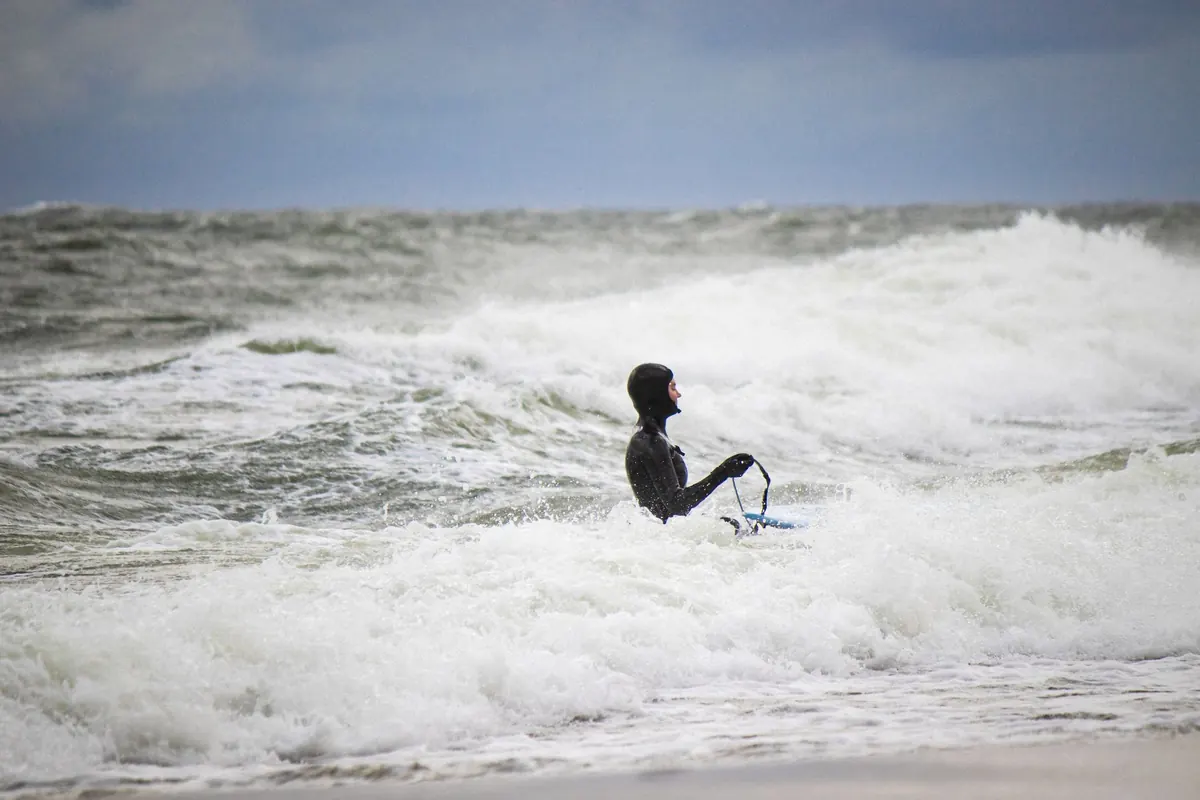
Photo: Jędrzej Koralewski / Pexels


You Might Also Like
A practical guide to planning a first three-day Lake District hike, covering route choice, realistic daily distances, beds, resupply and what to do when plans change.
Gas, liquid fuel and alcohol stoves each shine in different conditions. We compare weight, fuel availability, cold-weather performance and cost for British camping trips.