The Weekend Camping Checklist for UK Family Trips
There's a particular optimism to loading the car on a Friday afternoon. The tent goes on the roof, the cool box wedges behind the passenger seat, and someone asks whether four pairs of wellies is really necessary. Then it rains at two in the morning and the answer becomes obvious. Two nights is short enough that a forgotten item is annoying rather than disastrous, but long enough that the wrong kit makes everyone grumpy by Saturday lunch. This checklist is built for that trip: two nights, one car, at least two children, and a forecast that refuses to commit. It is not about owning the most gear. It is about knowing where the essentials are, so the weekend starts with a pitch and a cup of tea rather than a hunt for the mallet.
Shelter: sort the tent before anything else
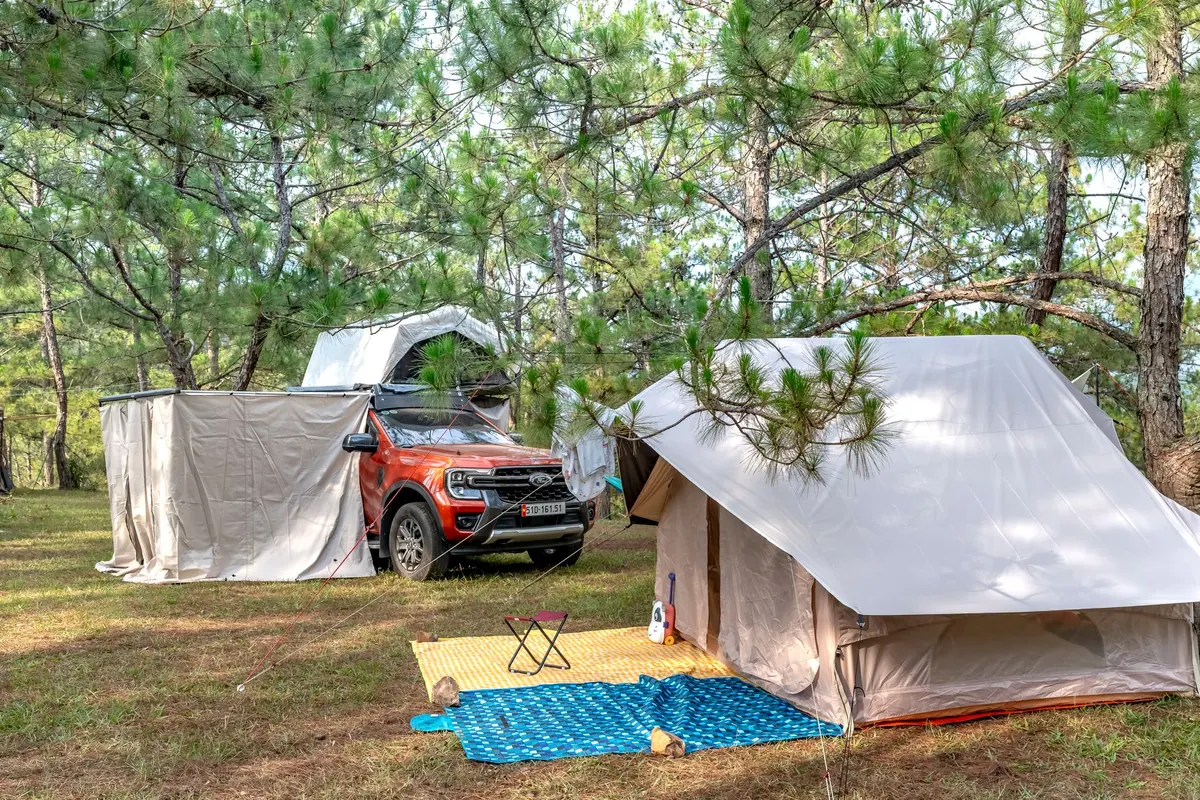
Tents are sold by berth, and berth numbers are optimistic. A four-person tent sleeps four people who don't mind touching each other and have nowhere to put a bag. For a family of four, take five or six berths with a porch you can stand up in. You'll spend the weekend in that porch, not in the sleeping pods. That is where boots come off, children are wiped down, tea is made, and board games are abandoned when the rain arrives.
Pitch it in the garden a fortnight before you go and check the poles, zips, elastic and pegs. A missing pole discovered at eight in the evening in a field is a miserable way to start a weekend. If you are borrowing a tent, ask when it was last used and whether it has been stored damp. A tent that smells of old campsite is a tent that will leak.
What goes in the shelter bag
- Tent, poles, pegs and a handful of spares
- Mallet, plus a spare if your pegs are the thick steel sort
- Footprint or groundsheet, and a tarpaulin with two poles for a dry porch
- Repair tape, spare guy lines, a couple of carabiner clips
- Bin bags or a wet bag for damp kit
Walk the pitch before you unpack. Look for the slope — sleep with heads uphill, not downhill — and for the hollow where water will collect. Face the door away from the prevailing wind, keep guy lines visible so nobody trips after dark, and don't pitch directly under trees that drop sap or anything heavier. If the site has electric hook-up and you have booked it, check the cable reaches before you commit to a corner. If it does not, moving the tent while the children are hungry is a lesson in patience.
Sleep: the part families usually under-pack
Sleeping bags are rated by season. A two-season bag is fine for a warm summer weekend and grim in a cool one, especially for children, who seem to lose heat faster than adults. If in doubt, pack the warmer bag and a spare blanket. A child who is cold at midnight will not settle, and a child who wakes at five because the light is coming through the tent will wake everyone else.
The mat matters as much as the bag. The ground pulls warmth out of you all night, and a decent mat does more for a good night's sleep than any other piece of kit. Foam mats are cheap and almost indestructible; self-inflating or inflatable mats are far comfier and worth the money if you camp more than twice a year. Pillows from home work best, and a stuff sack filled with a fleece does the job for the children.
Two small habits help. Change into clean, dry clothes before bed, because the clothes you wore all day hold damp. And pack a blackout cloth or eye mask, since British summer sun comes up before six and children treat that as a summons. A small torch each, kept by their sleeping bag, also stops the midnight scramble for the main lantern.
The cooking box: one box, everything in it
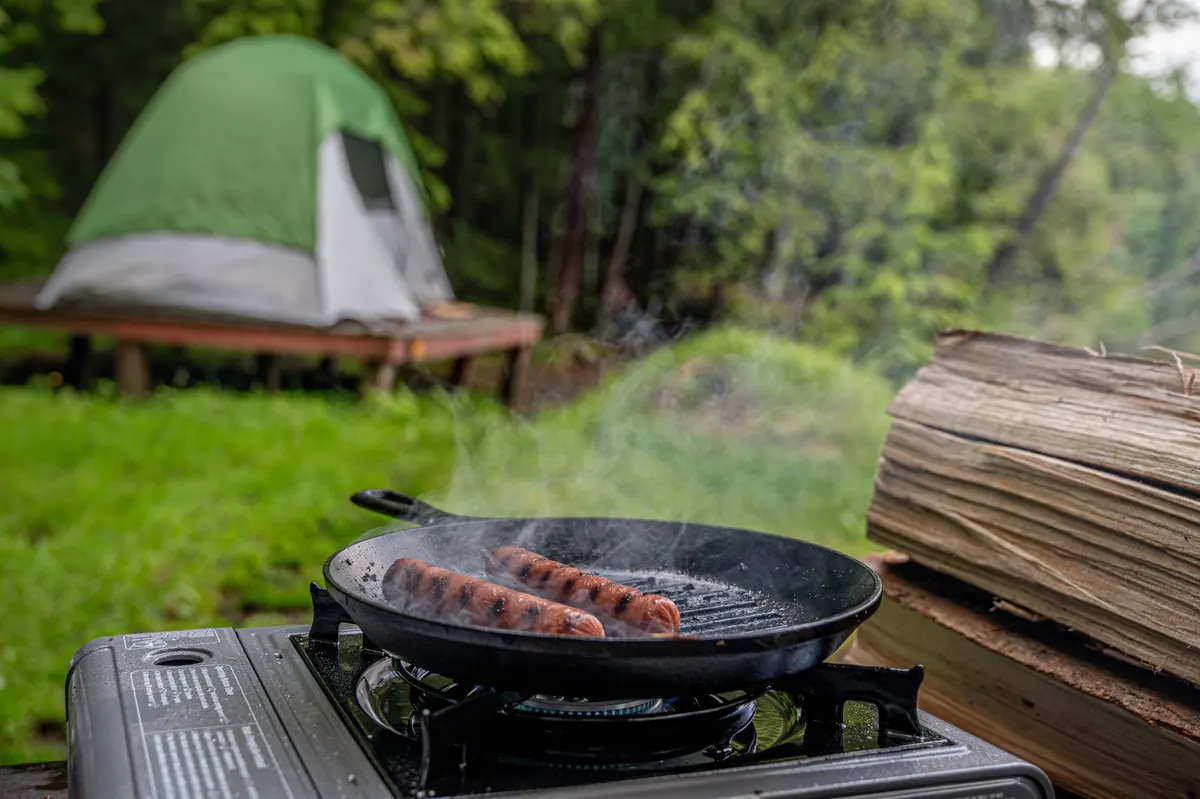
Keep cooking kit in a single lidded box that lives in the car between trips. Nothing gets lost and packing takes ten minutes. Plan simple meals: one-pot chilli, pasta, sausages, a big breakfast. Chop and bag ingredients at home, and freeze one dinner so it doubles as a cool-box ice block and is defrosted by Saturday night. Label anything that might leak, and put a tea towel on top of the box rather than inside it, where it will get greasy.
Inside the box
- Stove, fuel, spare matches and a lighter kept in a dry bag
- Pan, small kettle, wooden spoon, sharp knife, small chopping board
- Plates, bowls, mugs and cutlery per person, plus one spare of each
- Washing-up bowl, sponge, washing-up liquid, tea towel
- Bin bags, kitchen roll, foil
- Water container and refillable bottles
- Tea, coffee, hot chocolate, salt, oil, and a bottle opener
Use the campsite washing-up sinks rather than tipping greasy water into the hedge, and check the site rules on fires and barbecues before you plan a campfire dinner. A raised fire bowl or barbecue is often required. If fires are banned, a small gas stove and a bag of marshmallows still count as a holiday for most children.
Clothing: layers, not outfits
Pack for three weathers, because a British weekend will usually deliver all of them. Think in layers: a base layer to keep sweat away from skin, a mid layer for warmth, and a waterproof outer layer that actually keeps rain out. Cotton T-shirts are fine for a sunny afternoon and hopeless once damp, so pack fleeces, quick-drying trousers, and a waterproof coat for everyone, including the adults who insist they will be fine.
Wellies are essential for wet grass and muddy paths, but bring trainers or sturdy shoes too, plus a pair of flip-flops or crocs for the shower block. Socks are the item everyone runs out of first. Pack two pairs per day for children and one spare set of everything: trousers, top, socks, pants. Put each person's clothes in their own bag or packing cube, so nobody has to empty the whole car to find one small sock.
The clothing rule for children
- One warm layer, one waterproof layer, one hat and one pair of gloves, even in July
- Two pairs of shoes: wellies and something dry for the tent
- A full spare outfit kept in a dry bag, only for emergencies
- Pyjamas that are warmer than the ones used at home
- A swimming costume if the site has a pool or a river nearby
The day bag: small, packed and ready to leave
Keep one small rucksack by the tent door, already packed for a walk or a beach trip. It saves the usual twenty-minute search when everyone finally has boots on. Inside, keep waterproofs, water bottles, snacks, suncream, a basic first-aid kit, tissues, a bin bag, and a towel. Add a map or a downloaded offline route, a power bank, and a couple of plasters, because someone will fall over a tree root. If you are heading out for the day, tell someone at the campsite roughly where you are going. Mobile signal is often patchy, and a short walk can turn into a longer one when a child decides they are tired.
Health, hygiene and the small stuff
The small stuff is what turns a camping weekend from manageable to miserable. Pack a first-aid kit with plasters, antiseptic wipes, painkillers for adults and children, antihistamine, insect bite cream, and any prescription medicines. Add a thermometer, rehydration sachets, and tweezers for splinters or ticks. Toiletries should be simple: toothbrushes, toothpaste, soap, shampoo, hairbrush, and a towel each. Toilet roll in a plastic bag is not glamorous, but it is useful when the site runs out. Hand gel and a small bottle of campsite-safe soap help before meals.
Lighting matters more than people expect. Pack a lantern for the tent and a headtorch for each person, plus spare batteries. A headtorch leaves hands free for cooking and guide ropes. A power bank keeps phones alive for weather checks and photos, though the point of the weekend is to use them less. And bring earplugs if you are a light sleeper: campsites have a soundtrack of owls, wind, zip doors, and early-rising children.
Arrival, routines and rainy afternoons
When you arrive, pitch the tent first, then make the beds, then set up the kitchen. Do not start cooking before the sleeping bags are laid out, because hungry children and an unmade tent are a bad combination. Agree a shoe zone in the porch, put a bin bag somewhere obvious, and show everyone where the torches live. A simple routine at bedtime — wash, pyjamas, story, lights down — helps children settle even when the tent walls are thin and the light is still bright.
Rain will happen, so plan for one indoor afternoon. Pack a deck of cards, a small board game, colouring books, and a couple of favourite stories. A tablet with downloaded films is allowed when the weather is truly foul, but check the campsite rules on generators and noise. If the rain stops, go for a short walk anyway. Muddy puddles, a stream, and a packet of biscuits can rescue a wet Saturday faster than any screen.
Finally, pack a dedicated wet bag and a drying line. Damp towels, swimming costumes, and rain jackets need somewhere to go that is not the floor of the tent. On Sunday morning, sort dry kit from wet kit before it goes back in the car, and check the pitch for pegs, rubbish, and stray socks. Leave the field as you found it, or slightly better. Then drive home knowing that next time, the wellies will already be in the boot.
Photo: Quang Nguyen Vinh / Pexels

You Might Also Like
A practical guide to planning a first three-day Lake District hike, covering route choice, realistic daily distances, beds, resupply and what to do when plans change.
Gas, liquid fuel and alcohol stoves each shine in different conditions. We compare weight, fuel availability, cold-weather performance and cost for British camping trips.